OSIM 2.0

OSIM, verb · planning the forces on every tooth

Don't guess the plan. OSIM it.

Commercially available aligners deliver about half of the plan. Two decades ago, OSIM measured what moves teeth: every push and twist on every tooth of the arch, all at once. OSIM 2.0 is our answer: an aligner method planned by the orthodontist, with nothing glued to the teeth, on software that plans, makes and tracks every aligner. It is in daily clinical use.

Diagnosis Half the plan, plus bells and whistles→ Aetiology The force system rules→ Treatment Prescribe the force system
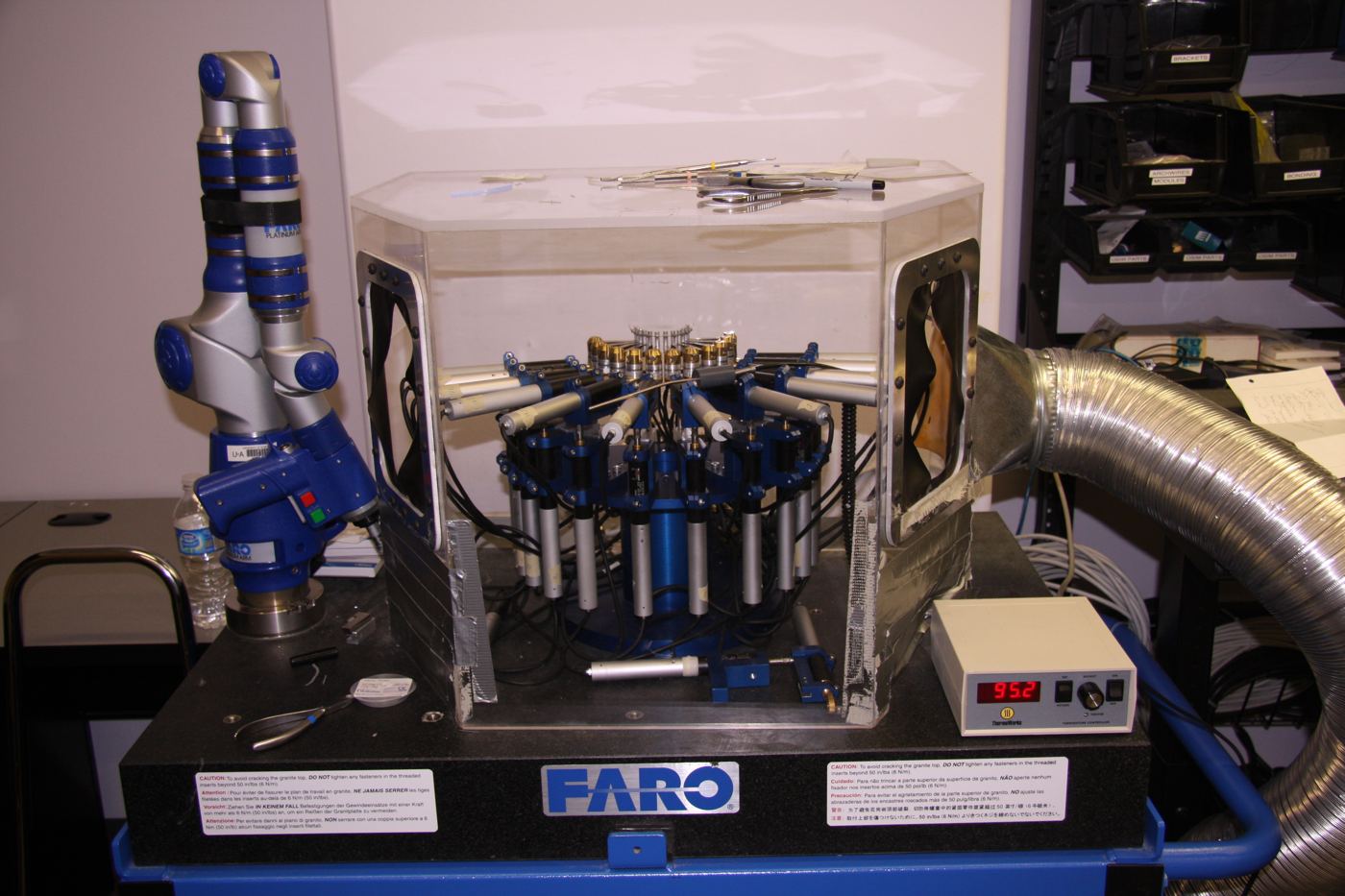
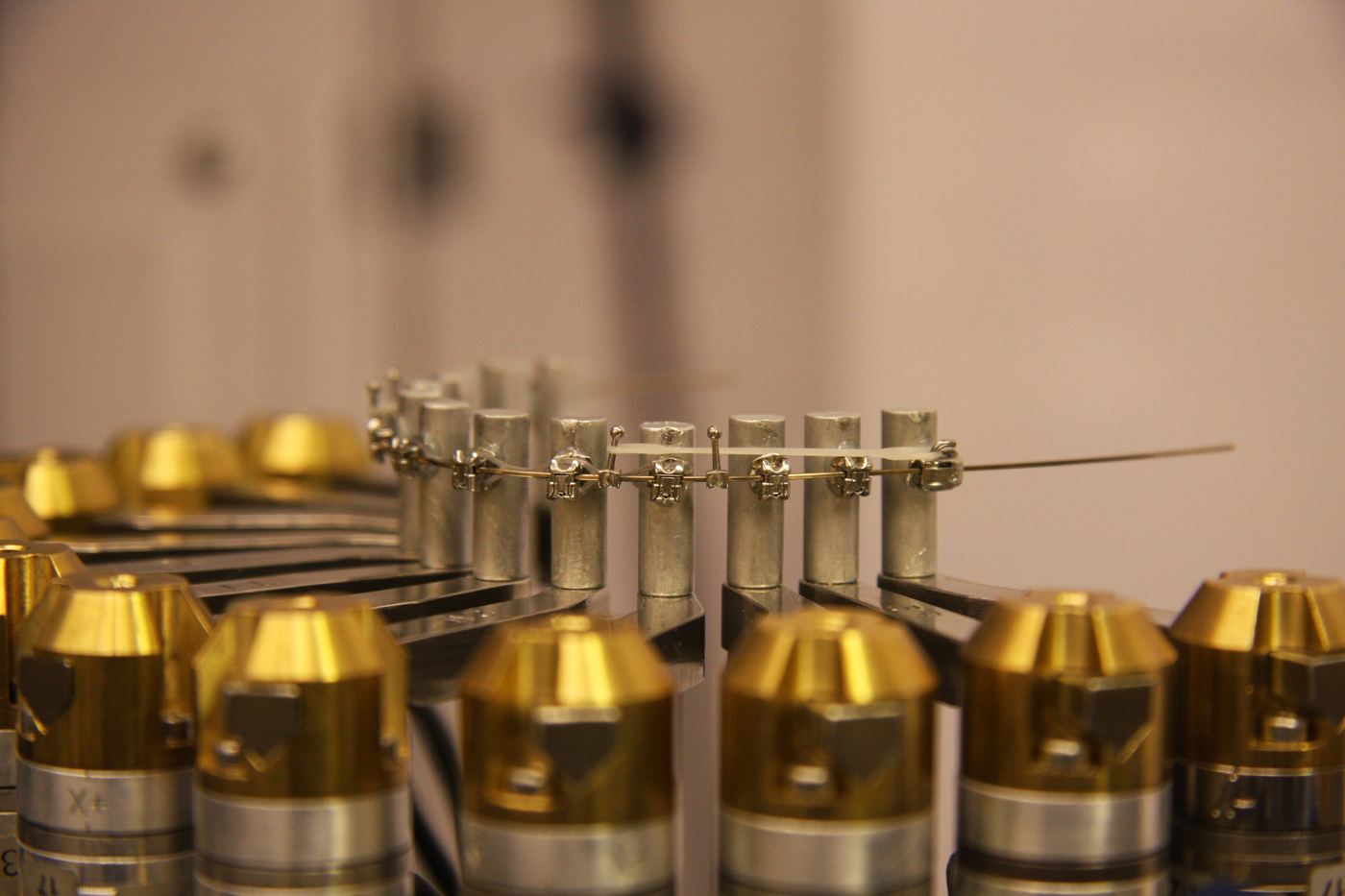
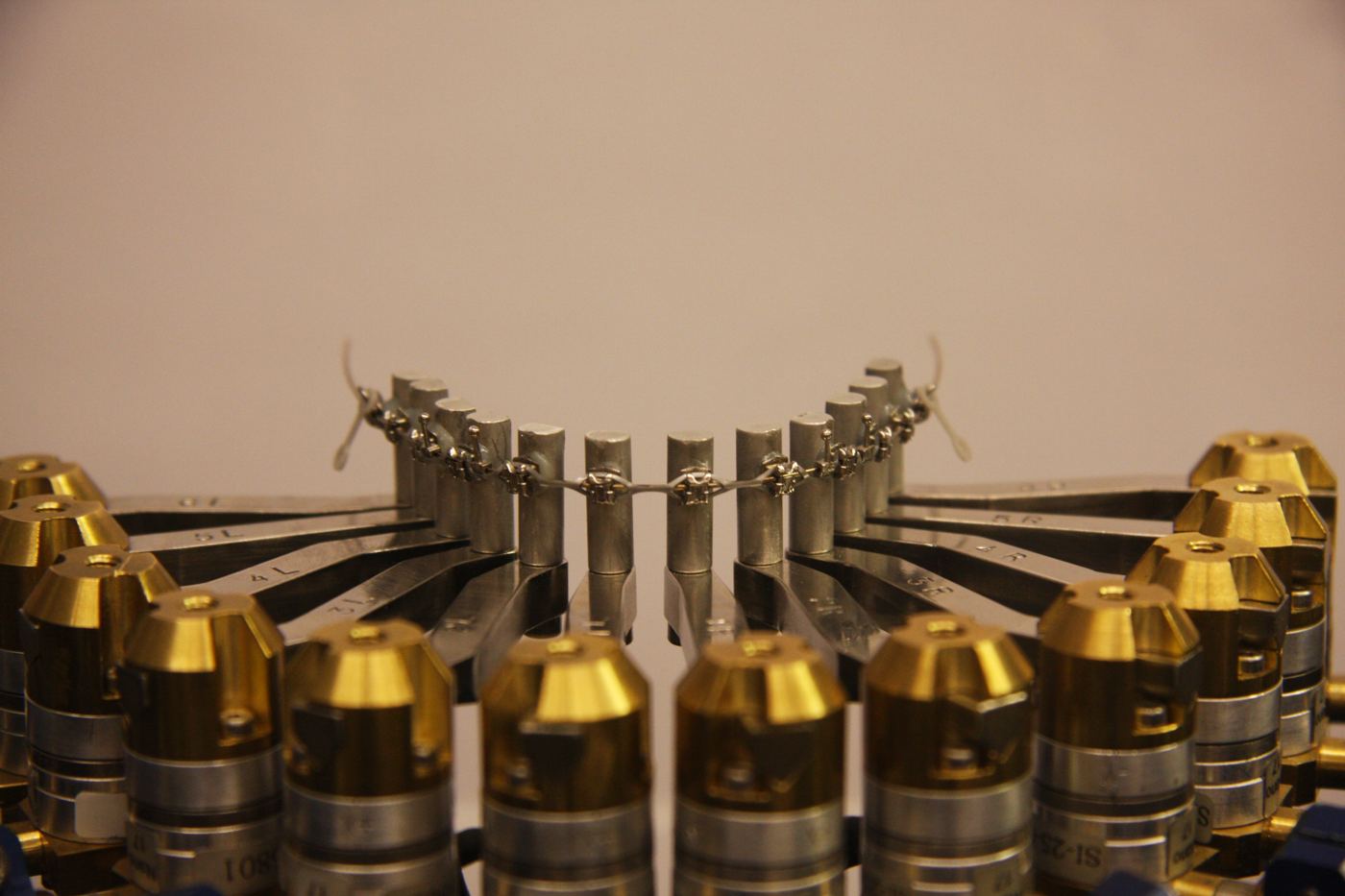
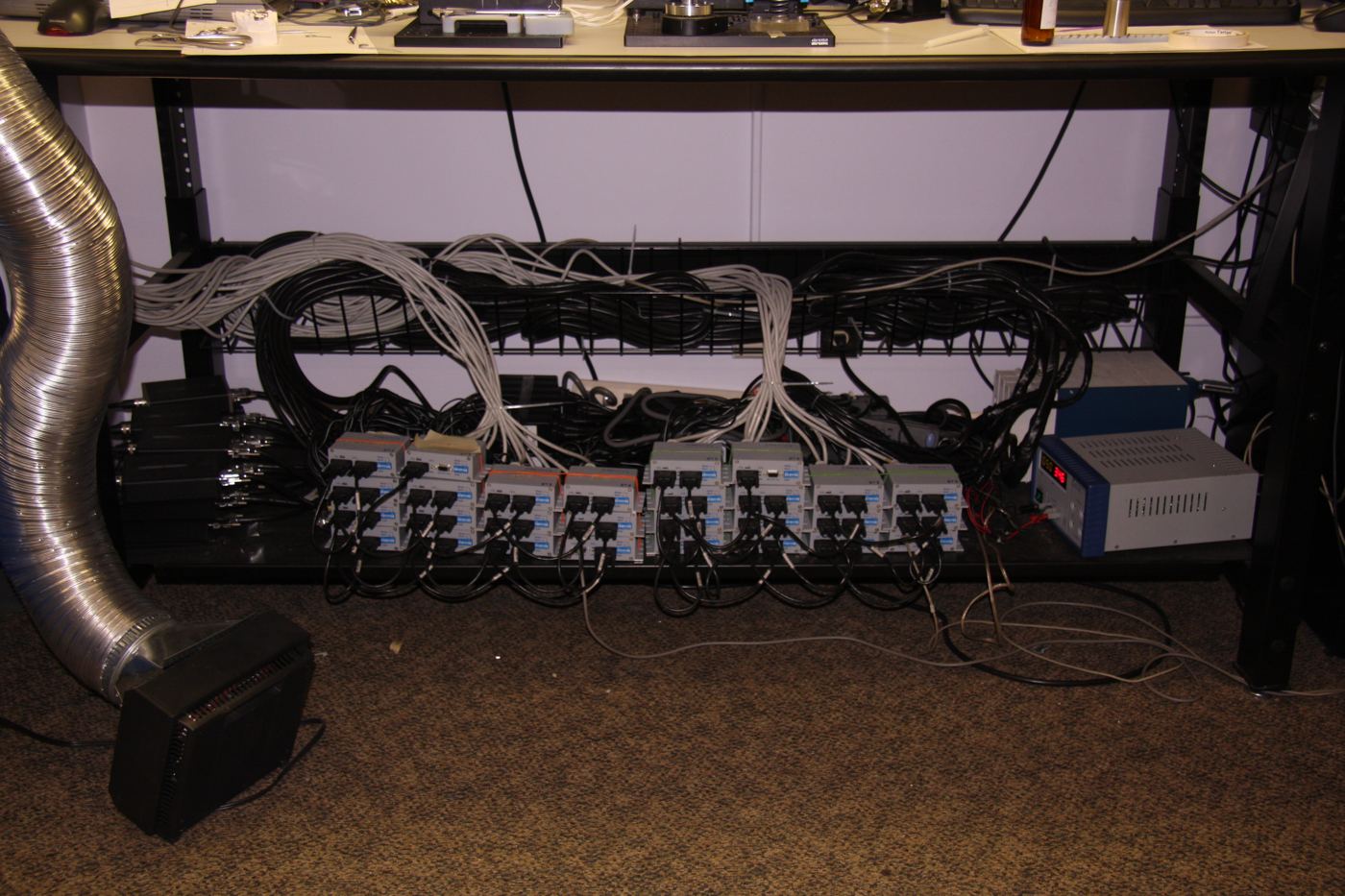
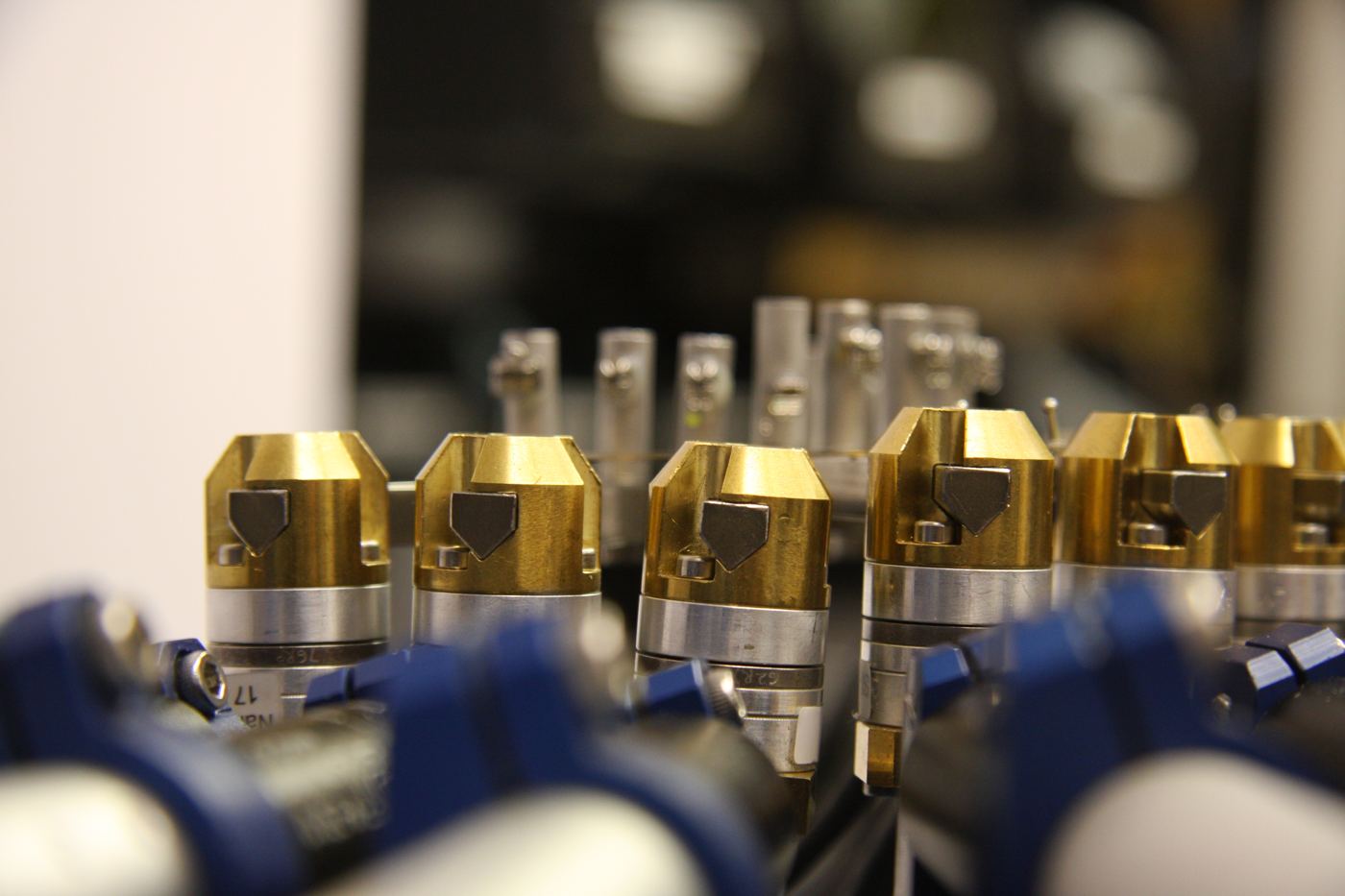
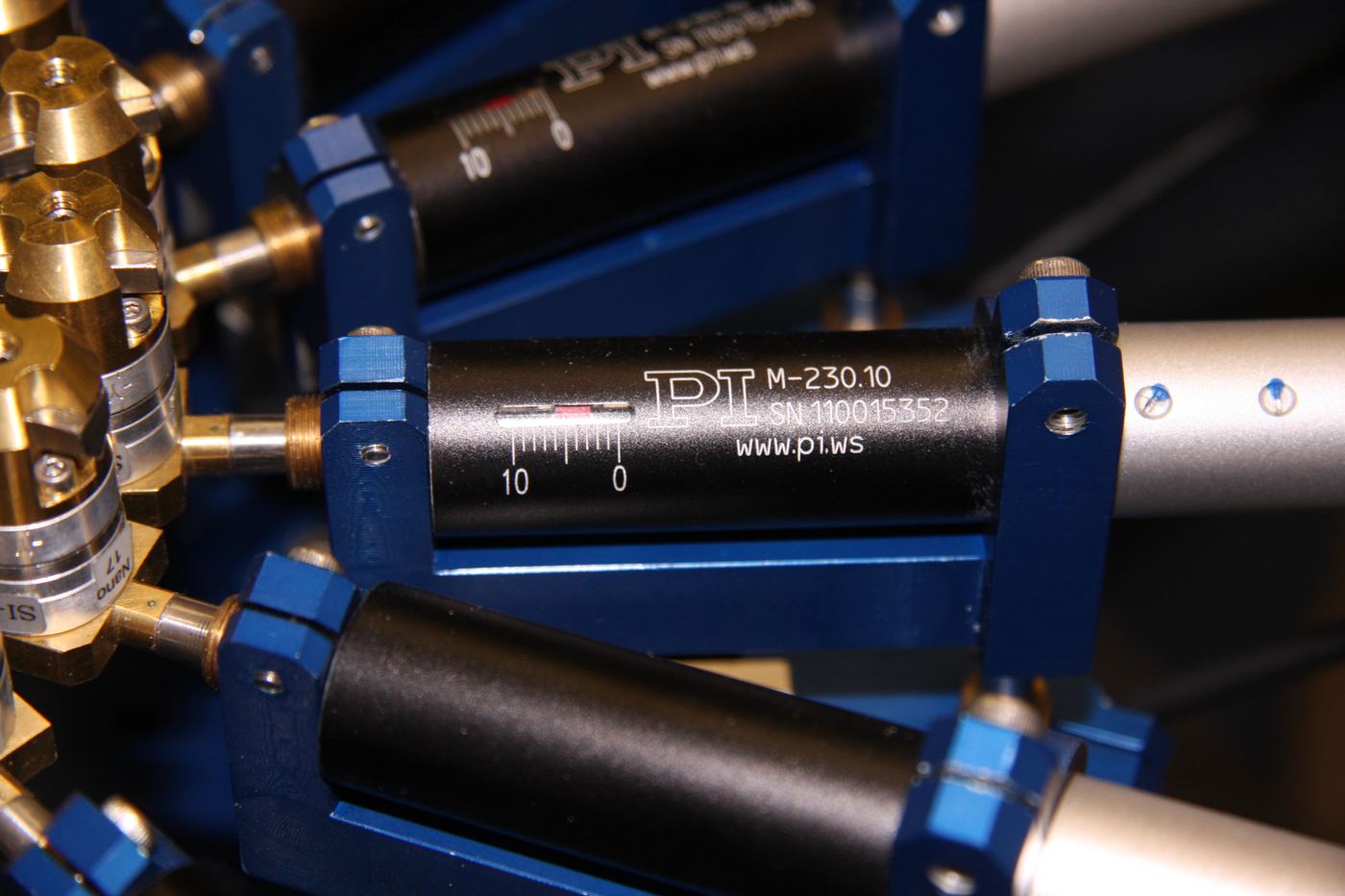
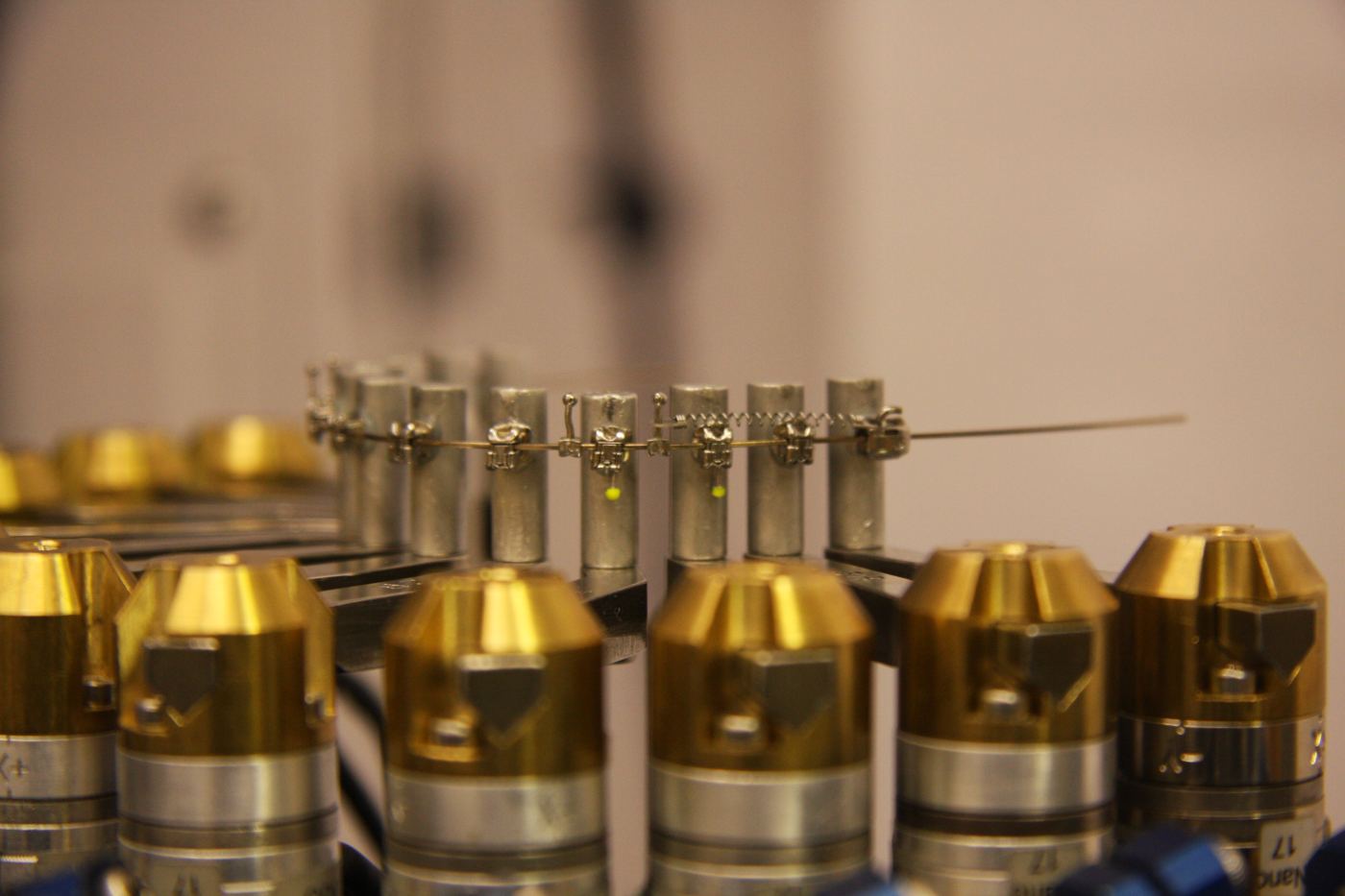
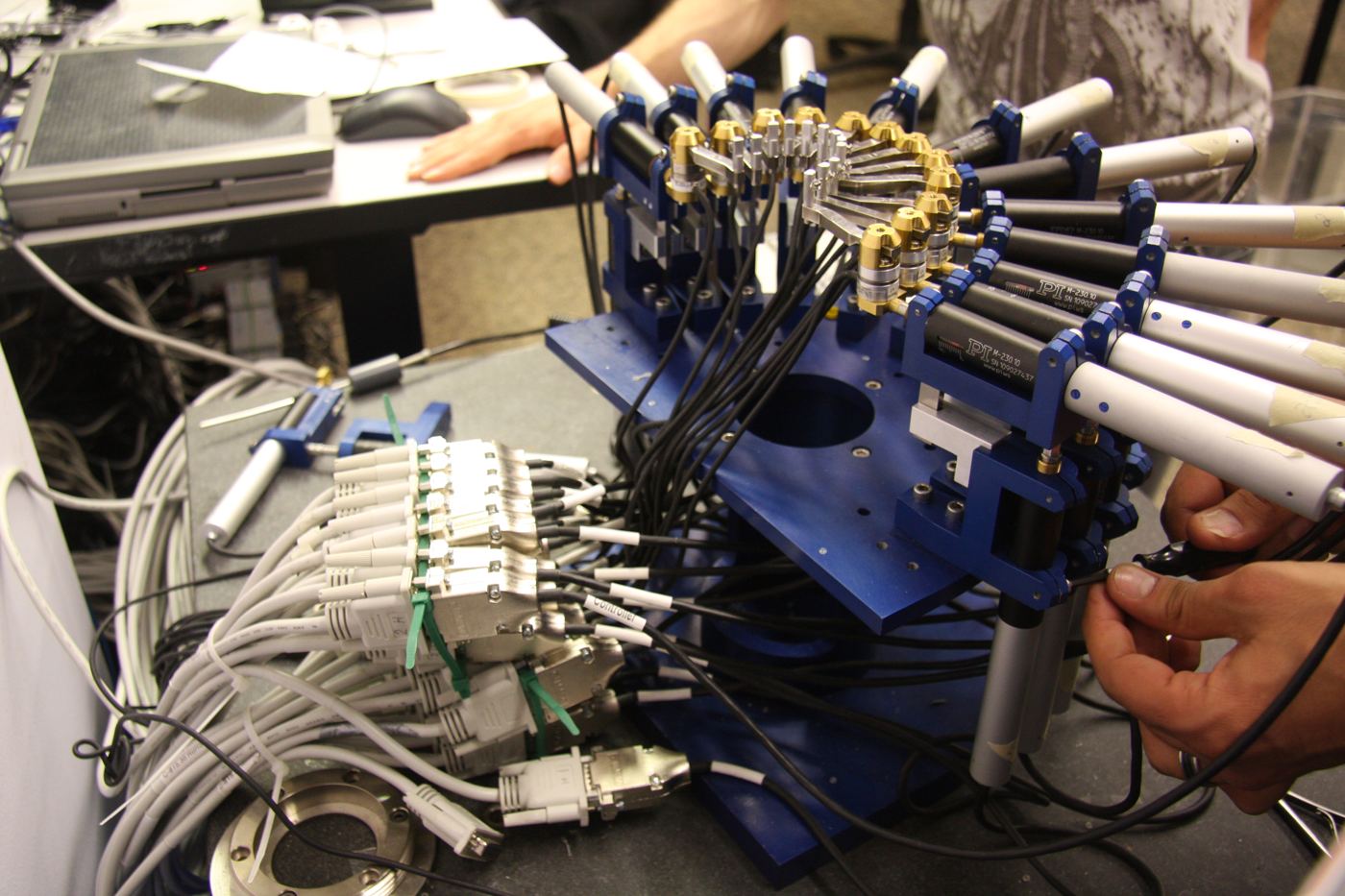
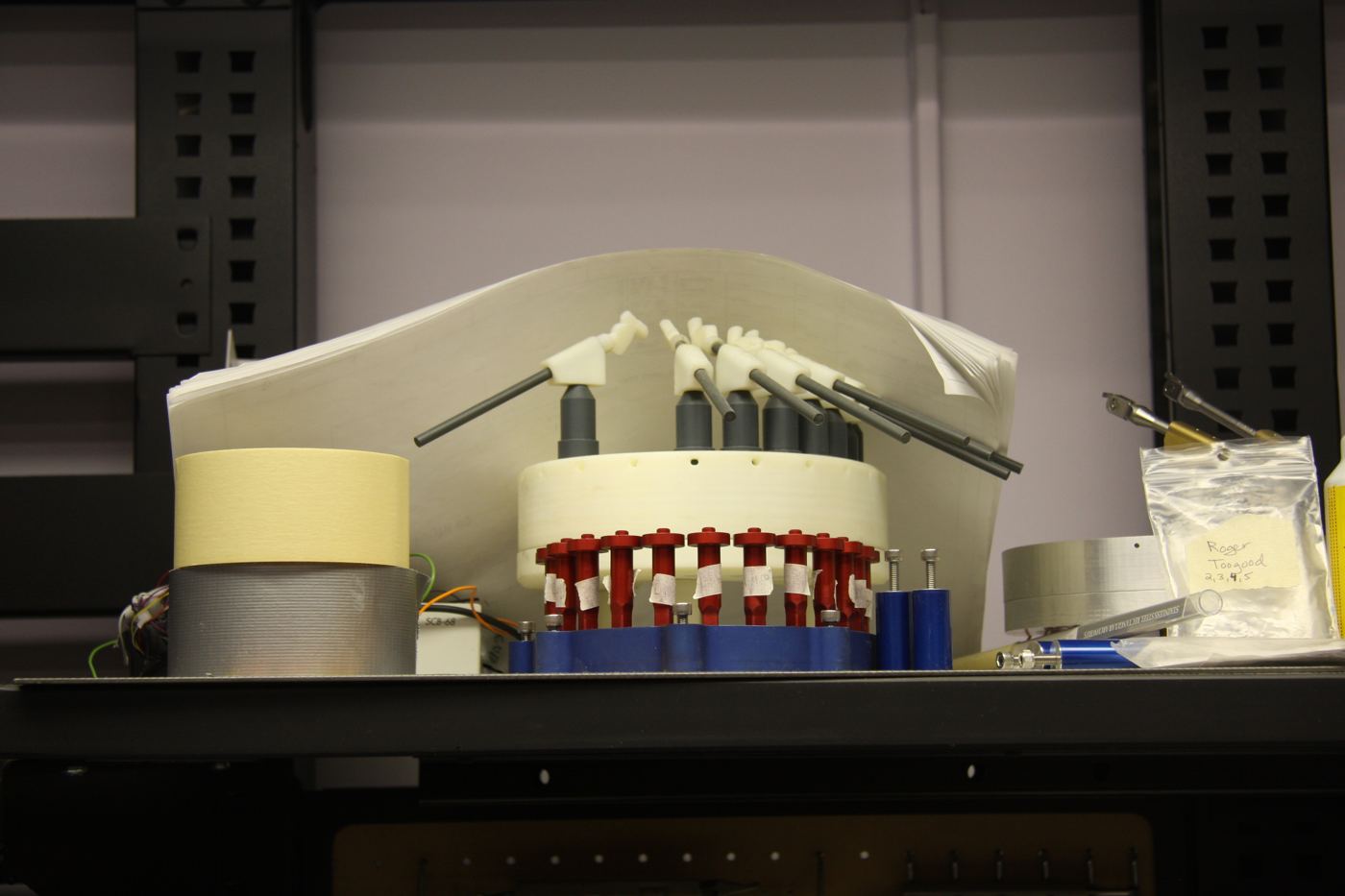
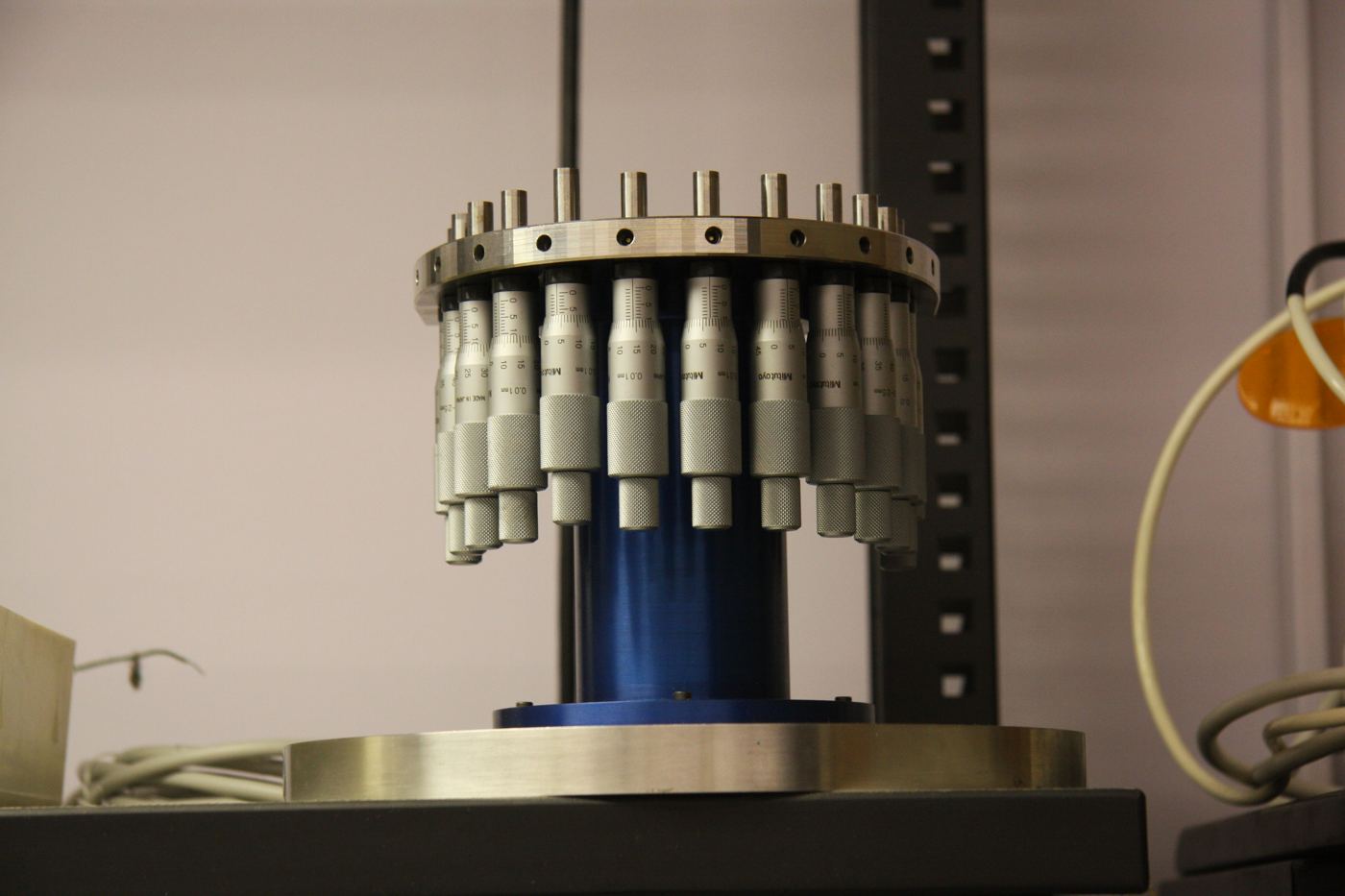
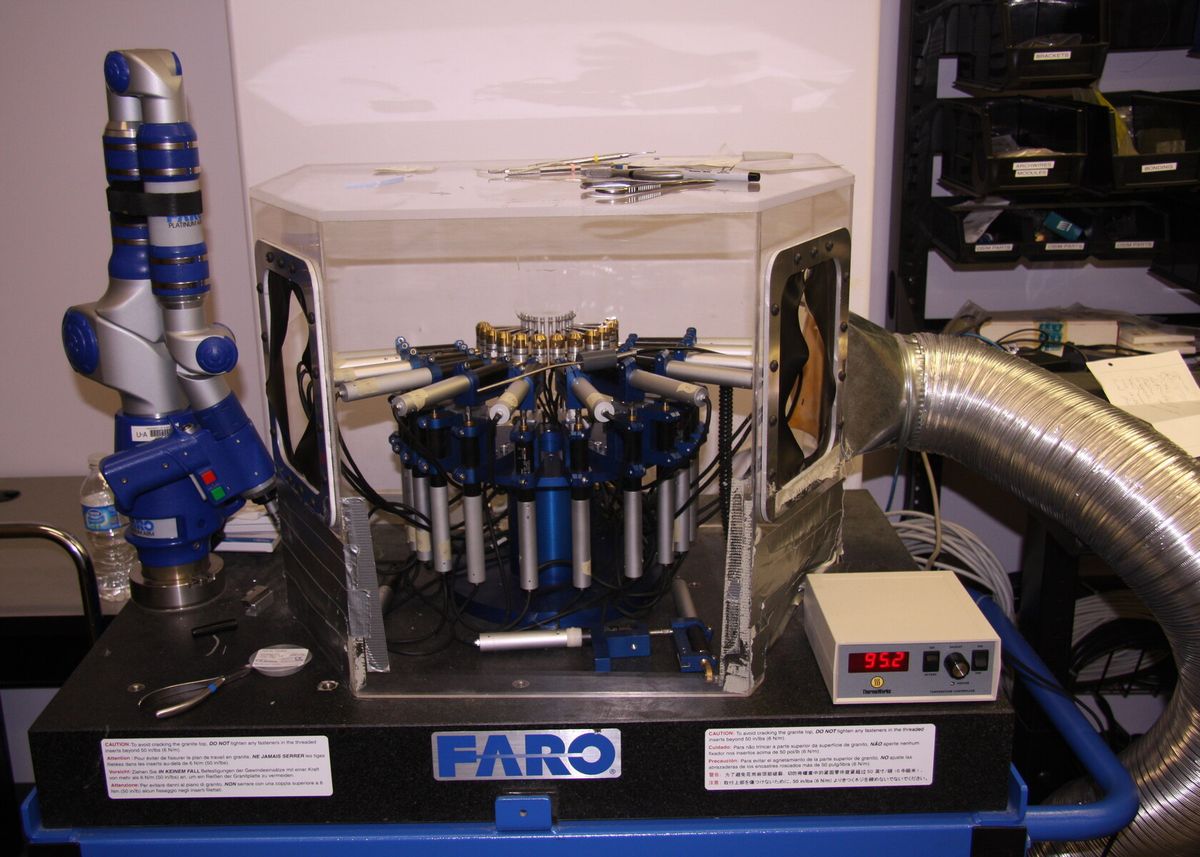
OSIM, the Orthodontic Simulator, in its temperature-controlled enclosure at the University of Alberta
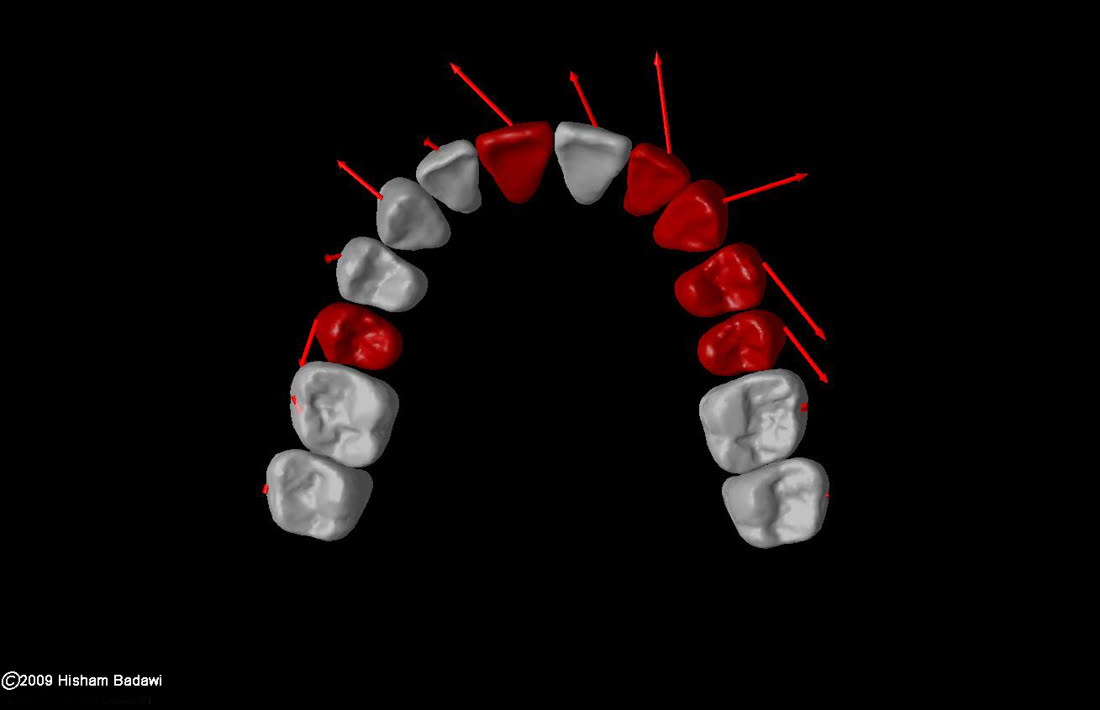
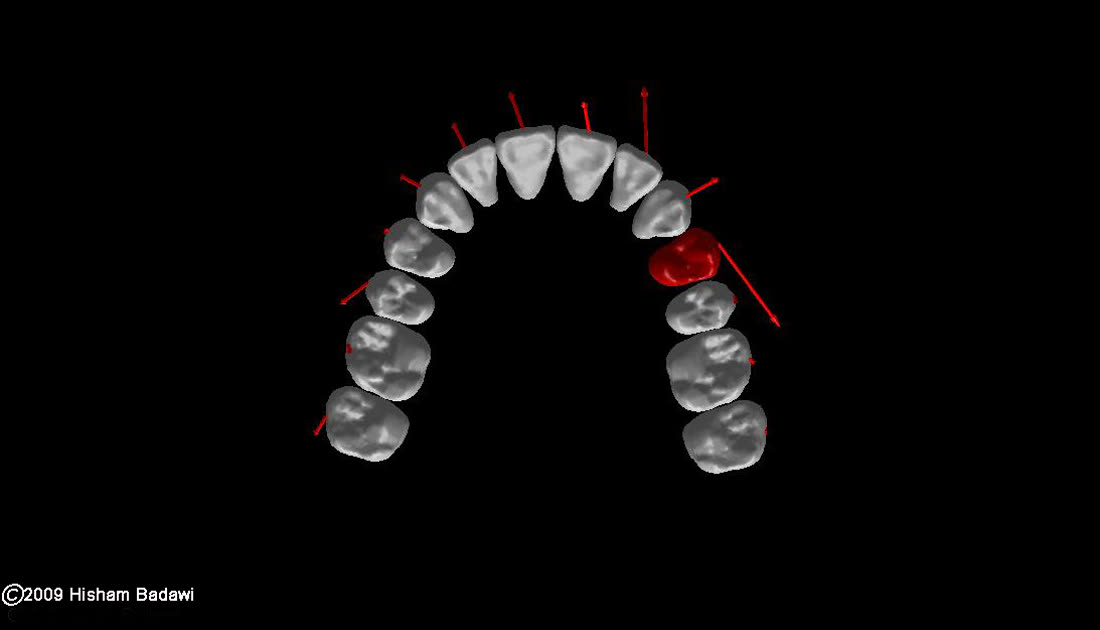
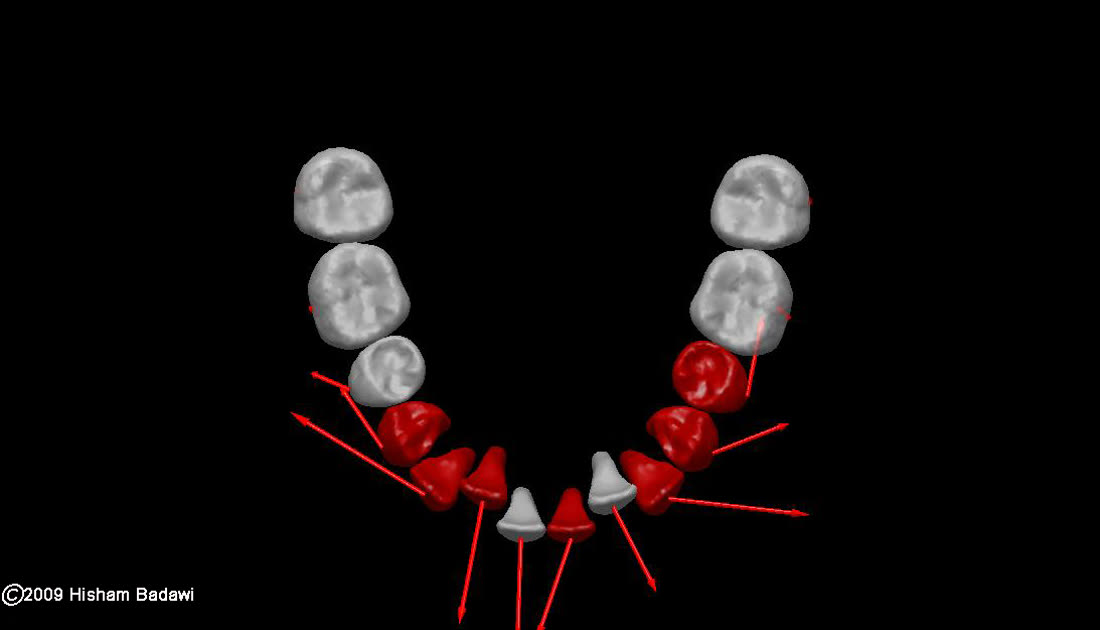
Forces recorded on OSIM, 2009
OSIM, the Orthodontic Simulator · University of Alberta
14 × 6
teeth, each measured for six kinds of push and twist, all at once (2007)
24 vs 82
aligners planned per patient on average: ours vs the market leader (263 patients)
100%
of planned aligners used by the typical patient (86% on the market leader)
2017
in daily use in our Calgary clinic since

One line of reasoning

A problem, the instrument that explained it, and the system built on it.

Two decades ago, OSIM measured the forces that move teeth. BioLign, OSIM 2.0, plans those forces before any aligner is made.

How the noun became a verb

OSIM · noun · 2003–2009

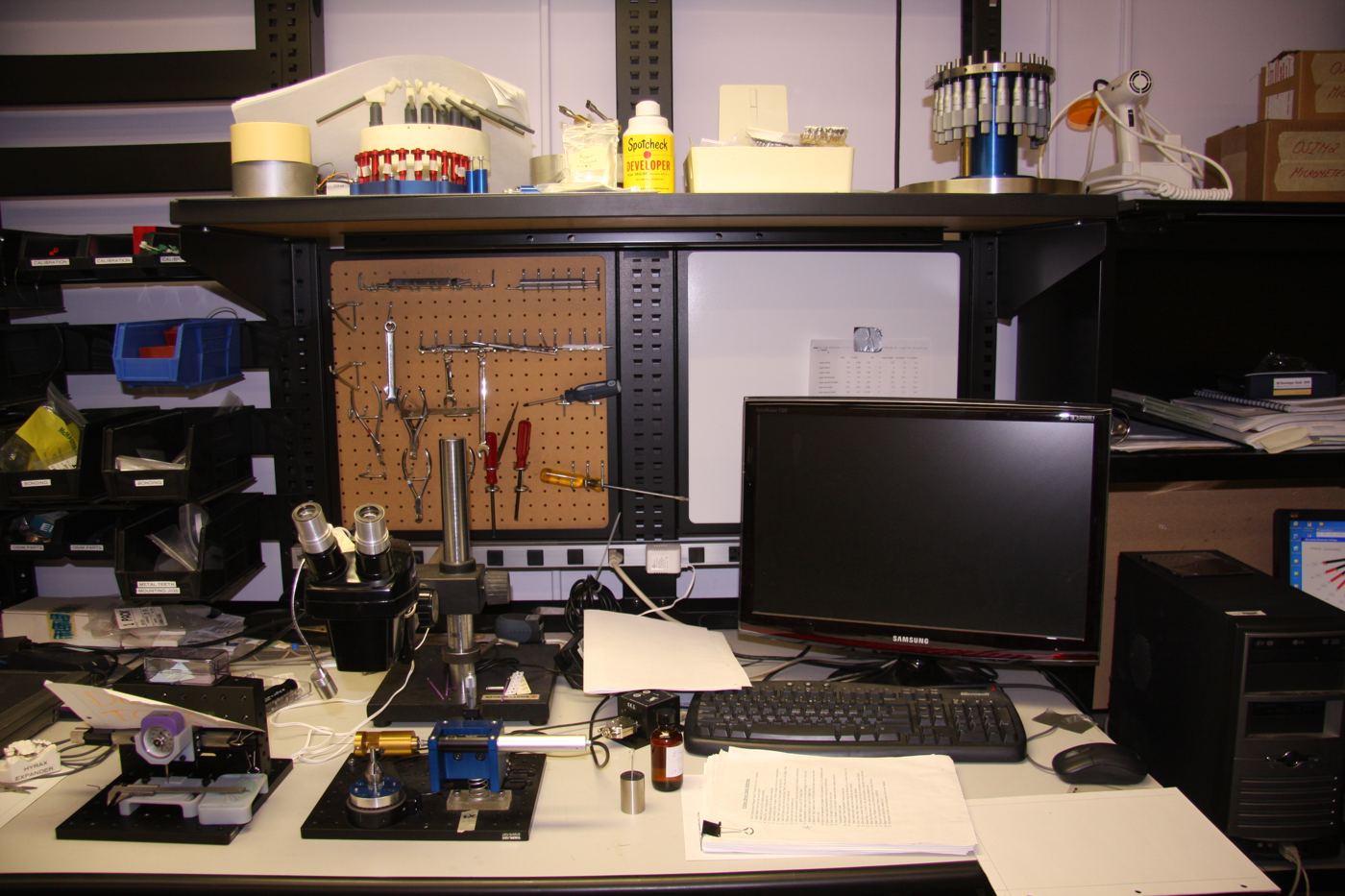
The Orthodontic Simulator: a lab instrument with a force sensor under each of 14 teeth, recording every push and twist across the arch at once.

It measured the forces.

What the noun taught

  • Force propagation: push one tooth and its neighbours feel it too.
  • Wanted and unwanted forces: every brace or aligner pushes the teeth you mean to move, and teeth you don't.
  • Simultaneous mechanics: move the arch together, not one tooth at a time.
  • Friction and sliding: how a tooth is tied to the wire, and the friction as it slides, change how much force gets through and where it goes.

OSIM · verb · 2017–

To plan a treatment by its forces: plan the pushes you want, cancel the ones you don't, and move the arch together.

It plans the forces.

The instrument measured what the orthodontist now plans. First, OSIM measured. Now, we OSIM.

Diagnosis · The Aligner Problem · half the plan, plus bells and whistles

Commercially available aligners deliver about half of the plan.

Across the 361 peer-reviewed studies in our evidence registerR, accuracy has barely improved in a decade. The gap is filled with new plans, more aligners and more months.

How much of each planned movement is actually achieved

Bar: range across studies · dot: the middle · tap a row for its source

41% → 50%
average accuracy, 2009 vs 2020; the same movements still lag12
94–99%
of patients need at least one new plan (a “refinement”)34
64 · 22.8 mo
aligners and months per treatment in one published series: 5.1 months longer than estimated; 17% switched to braces4

The Aligner Problem · what the industry adds

Bells and whistles have not fixed it. BioLign uses none of them.

The industry's answer to the gap is add-ons: attachments (small tooth-coloured bumps glued to the teeth), IPR (filing enamel between the teeth), “optimised” features, gadgets, and refinement after refinement. Attachments do change aligner forces in the lab. But in patients, studies show no consistent gain in accuracy from attachments, IPR or gadgets, and refinements are still the norm. Each add-on costs the patient something: attachments are glued to etched enamel and ground off at the end; IPR removes enamel for good.

Attachments no consistent gain

“Optimised” attachments did no better than standard ones5; attachments did not improve the accuracy of canine rotation6, and rotations fell short with or without them7. The evidence is mixed: a 2025 expert panel still rates attachments moderately effective9.

Cost: enamel etched and glued; ground off at the end.

IPR no shown gain

In one study, filing enamel did not help canines rotate as planned6; a review of studies found rotations fell short with or without it7.

Cost: healthy enamel removed, permanently.

Adjuncts no consistent gain

Vibration and light-therapy devices showed no consistent benefit across seven randomised trials8.

Cost: devices, fees, patient time.

Refinements the default

94–99% of patients are re-planned at least once34: even with the add-ons, the first plan rarely holds.

Cost: rescans, more aligners, more months.

Smaller steps evidence of effect

Rotations reached 41.8% of plan in small steps (1.5° or less per aligner) but only 23% in bigger ones, as summarised by a 2025 expert panel9.

More wear evidence of effect

Changing aligners every 14 days beat every 7; wearing them 12 hours a day did worse than 221011.

What the evidence does support is smaller steps per aligner (staging) and more hours of wear. Both come down to force: how much each aligner delivers, and for how long. So BioLign designs the force system first, instead of adding extras. So stop guessing the plan. OSIM it.

References

  1. Kravitz ND et al. How well does Invisalign work? Am J Orthod Dentofacial Orthop 2009;135:27–35.
  2. Haouili N et al. Has Invisalign improved? Am J Orthod Dentofacial Orthop 2020;158:420–5.
  3. Meade MJ et al. Digital treatment planning and clear aligner therapy. J Orthod 2023;50:361–6.
  4. Kravitz ND et al. What percentage of patients switch from Invisalign to braces? Am J Orthod Dentofacial Orthop 2023;163:526–30.
  5. Muthuswamy Pandian S et al. Optimized vs conventional attachments: systematic review and meta-analysis. J Oral Biol Craniofac Res 2025;15:1123–33.
  6. Kravitz ND et al. Influence of attachments and IPR on the accuracy of canine rotation with Invisalign. Angle Orthod 2008;78:682–7.
  7. Koletsi D et al. Predictability of rotational tooth movement with aligners: systematic review and meta-analysis. J Orthod 2021;48:277–87.
  8. Sirri MR et al. Physical adjunctive interventions in clear aligner treatment: systematic review of RCTs. PLoS One 2026;21:e0346566.
  9. Arveda N et al. Clear aligner orthodontic treatment: an international modified Delphi consensus study. Am J Orthod Dentofacial Orthop 2025;168:620–38.
  10. Al-Nadawi M et al. Effect of clear aligner wear protocol on the efficacy of tooth movement. Angle Orthod 2021;91:157–63.
  11. Fialho T et al. Invisalign in different wear-time protocols: randomized clinical trial. Eur J Orthod 2025;47:cjaf089.
  12. R · Evidence register: 361 peer-reviewed studies of aligner efficacy and effectiveness, compiled November 2026. Available on request. Chart rows link to their own sources.
  13. Analysis of maxillary arch force/couple systems for a simulated high canine malocclusion: Part 2. Elastic ligation. Angle Orthod 2011;81:960ff.
  14. An in vitro evaluation of orthodontic aligner biomechanics around the maxillary arch. Am J Orthod Dentofacial Orthop 2021;160:401–9.
  15. In vitro comparison of the effectiveness of different attachment shapes and locations on extrusion of the upper left lateral incisor using thermoplastic aligners. Orthod Craniofac Res 2024 (PMID 39706801).

Aetiology · OSIM · the force system rules

Two decades ago, OSIM measured the forces that move teeth, and showed they travel across the whole arch.

OSIM, the Orthodontic Simulator, was conceived by Dr. Hisham Badawi in 2003 and built at the University of Alberta with Dr. Roger Toogood. Seeing every tooth's forces at once changed how Dr. Badawi moves teeth: the whole arch together, not one tooth at a time.

Jul 2003

The idea written down: a force sensor under each of 14 teeth, set in an arch.

19 Jul 2007

First recording of the forces on all 14 teeth at once.

2009

OSIM published in AJODO↗

2017

Our own aligner method (MIAP) in daily use at Smile Elements.

2023

Aligner forces measured on OSIM↗

Today

OSIM 2.0: the method, the software and in-house aligner making, together.

14force sensors, one per tooth
84readings taken at the same moment
6readings per tooth: three pushes, three twists
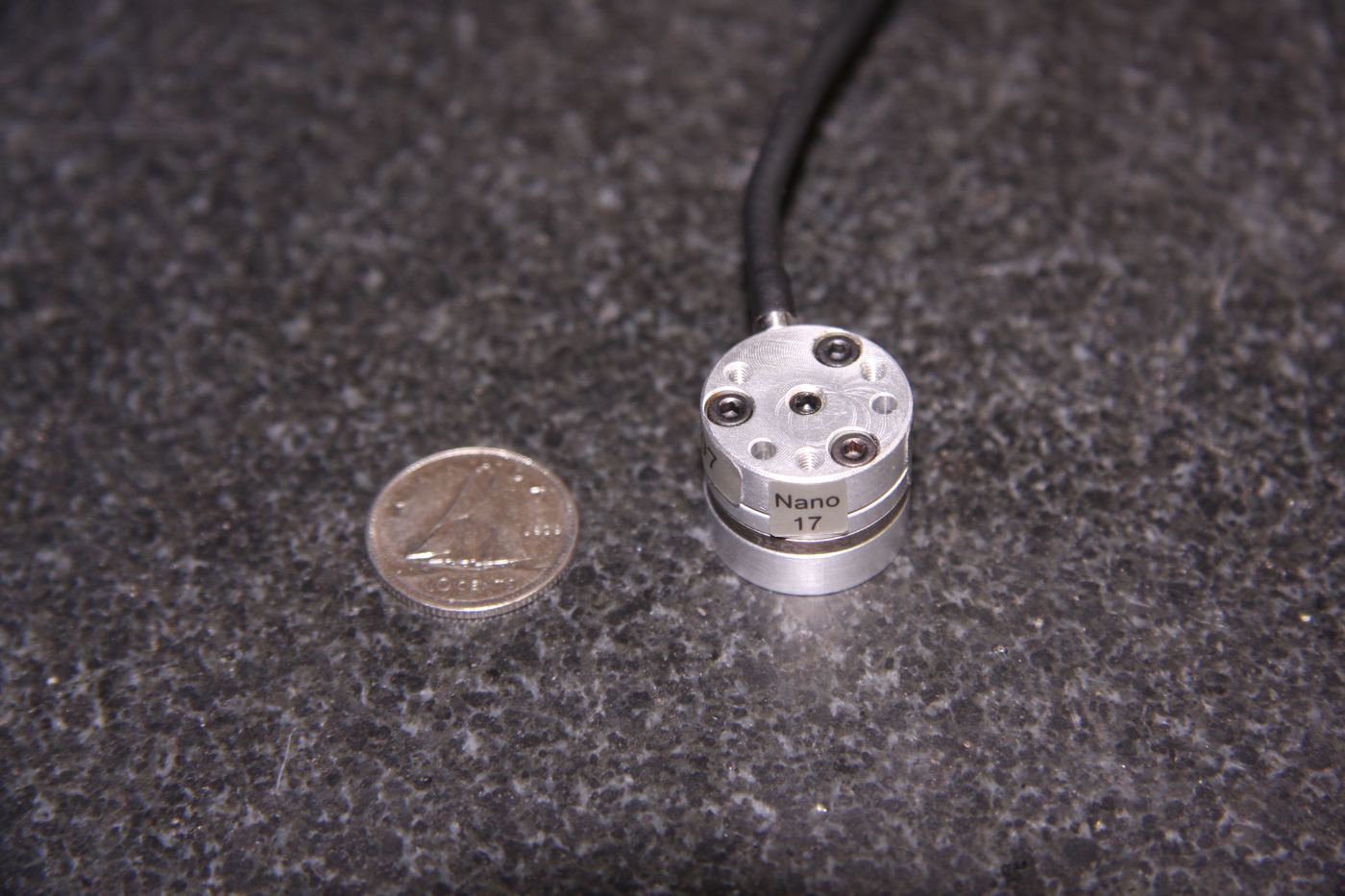
17 mmwidth of each sensor (Nano17)

“One of the more impressive 3-dimensional instruments.”

Turpin DL, Editor. Am J Orthod Dentofacial Orthop 2009;136:141–2 ↗

OSIM · the recordings

Every tooth, every force, recorded at once.

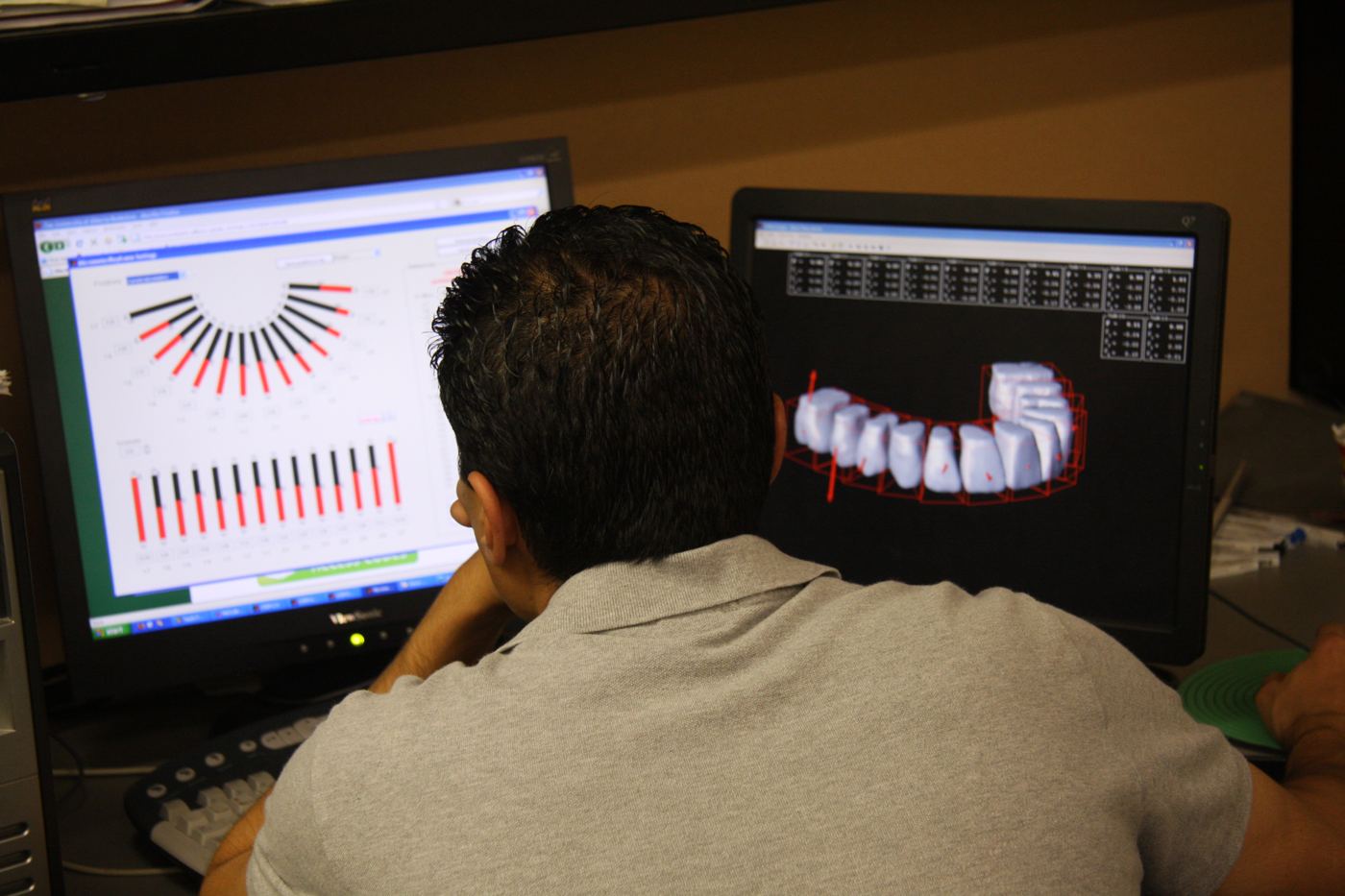
Recordings from the OSIM laboratory, 2007–2009: the instrument, live loading, and the force readings for all 14 teeth.

The instrument. 14 teeth, each mounted on its own force sensor, set in a full arch.
Live loading. Press one tooth by hand: the measured forces update on every tooth in real time.
Pull the archwire. The load does not stay on one tooth; it spreads across the arch.
Six readings per tooth. Push front–back, side to side and up–down, plus the three twists, for any tooth.
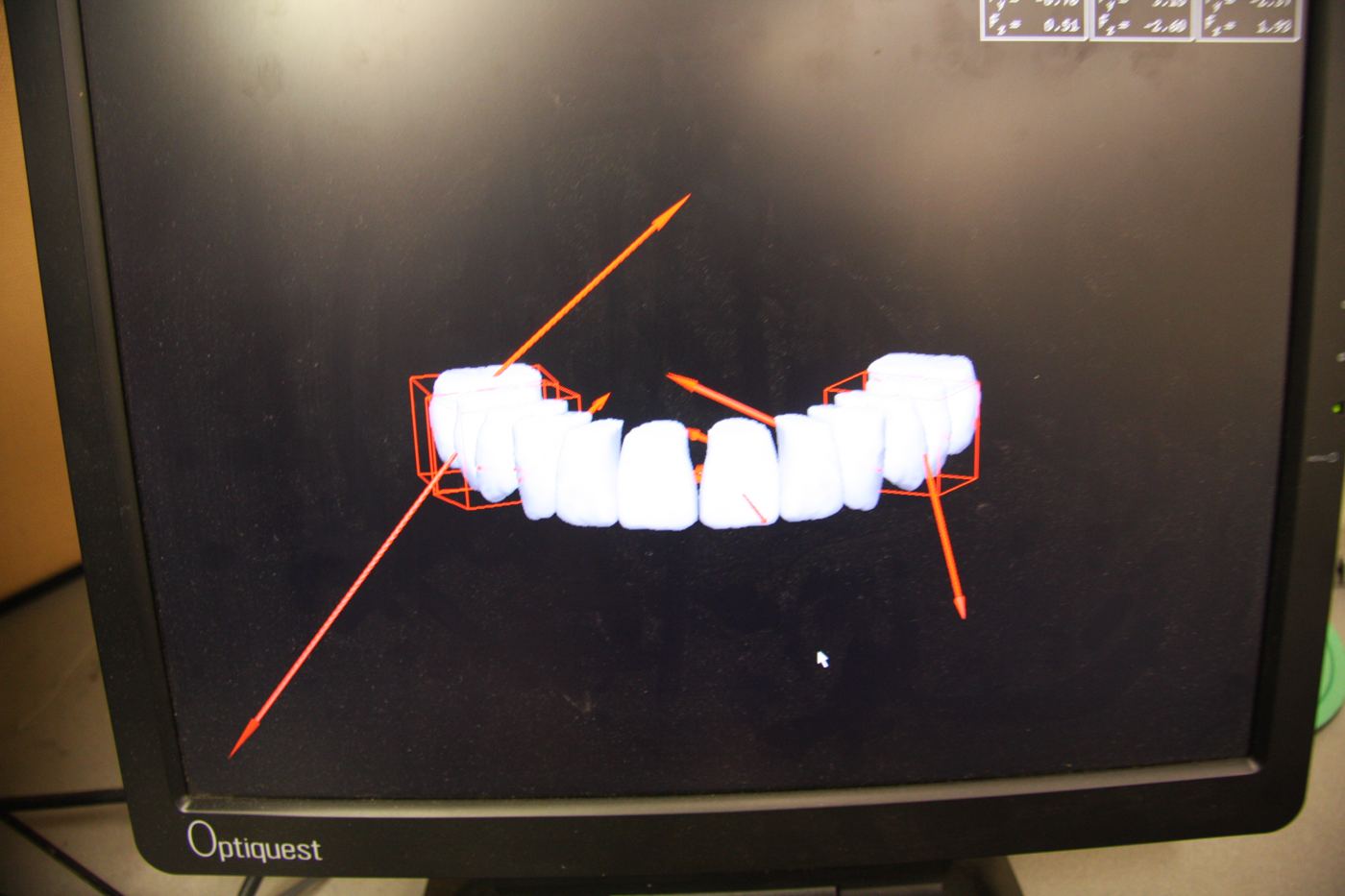
Force vectors in 3D. The same recording drawn as 3D arrows on each tooth.
Buccal view. A high canine on a thin (0.014-inch) wire, held in with elastic ties.
OSIM occlusal view, high canine with 0.014-inch archwire and elastic ligation: force vectors on all 14 teeth
High canine · 0.014 in · elastomeric
OSIM occlusal view, high canine with 0.018-inch archwire in self-ligating brackets
High canine · 0.018 in · self-ligating
OSIM occlusal view, crowded lateral incisors with 0.018-inch archwire and elastic ligation
Crowded laterals · 0.018 in · elastomeric

Force recordings © 2009 Hisham Badawi, OSIM laboratory, University of Alberta. Red crowns mark the teeth carrying the largest measured loads.

OSIM · the concepts

Three ideas the measurements gave orthodontics.

Dr. Badawi named these three ideas from the OSIM recordings and taught them in his lectures. They link the lab to the clinic.

Force propagation

A push on one tooth does not stay there. Through the wire, or the aligner, it spreads around the arch and pushes on the neighbours too.

Measured, not assumed: with elastic ties, the push reached nearly every tooth; with passive (self-ligating) brackets, mostly the neighbours.

Wanted and unwanted forces

Every brace or aligner delivers both: pushes that move a tooth where it should go, and pushes that spread to teeth that should stay put. A good plan accounts for both.

Our hypothesis: unplanned pushes are a big reason plans fall short and refinements follow.

Simultaneous versus sequential mechanics

Sequential: move teeth one at a time, holding the rest still as an anchor. Simultaneous: move the whole arch together, with the pushes balanced against each other, the way OSIM shows teeth behave.

First used with self-ligating braces; now applied to aligners in MIAP.

“Teeth don't know what's pushing them. They respond to a force system.”

Dr. Hisham Badawi

OSIM · the evidence

A body of work built on one instrument.

From 2008 to 2026, OSIM and its sister instruments produced 37 peer-reviewed papers and 14 graduate degrees, on braces, whole-arch forces and aligners. Every paper is listed below, with a link.

37
peer-reviewed papers on OSIM and its companion instruments, 2008–2026
2 of 2
founding papers among the world's top 1% most cited for their field and year
262
works cite the founding papers, from 37 countries; 87% from outside Alberta
14
graduate degrees on the instruments (2 PhD, 12 MSc)

First of its class

Every earlier platform measured one or two teeth. OSIM measured fourteen, in all six components. The only other full-arch platform followed five years after the founding paper.

PlatformTeeth at onceComponents per toothFull archFirst disclosed
OSIM · University of Alberta146Yes2005
OMSS / HexMeS · University of Bonn26No1991
RMS · HHU Düsseldorf16No2004–05
Hexapod set-up · Ulm University1–26No2011
Multi-tooth platform · Sant'Anna, Pisa146Yes2014
ROSS / HOSEA · LMU Munich16No2022–23

The 37 papers, by theme

2The founding instrumentsOSIM and the companion torque device, both in the global top 1% of their field and year.
  1. 2008Torque expression of self-ligating bracketsAJODO
  2. 2009Three-dimensional orthodontic force measurementsAJODO
10Whole-arch force systemsHigh canines, crowding, lingual appliances, expansion, retraction, elastics and the curve of Spee, measured on all 14 teeth at once.
  1. 2011Maxillary arch force/couple systems for a simulated high canine: Part 1, passive ligationAngle Orthod
  2. 2011Maxillary arch force/couple systems for a simulated high canine: Part 2Angle Orthod
  3. 2014Effect of wire size on maxillary arch force/couple systems for a simulated high canineJ Orthod
  4. 2014Ligation method and maxillary arch force/moment systems for a lingual incisor malalignmentOpen Biomed Eng J
  5. 2016Initial forces on anterior and posterior teeth in dental- vs skeletal-anchored en masse retractionAngle Orthod
  6. 2017Forces and moments around the arch for a lingual incisor and high canine, straight vs mushroom lingual archwiresEur J Orthod
  7. 2019Initial forces and moments on maxillary canines with Class II elastic configurations, lingual applianceOrthod Waves
  8. 2020Biomechanics of posterior maxillary arch expansion with labial and lingual appliancesAngle Orthod
  9. 2023Anterior arch expansion with lingual appliances: coil springs vs archwire stopsOrthod Craniofac Res
  10. 2024Initial forces and moments for a curve of Spee malocclusion, labial and lingual archwire formsAngle Orthod
6Aligners on OSIMAligner forces and moments around the arch: material, tooth position, divots, attachments and tooth-movement tracking.
  1. 2021An in vitro evaluation of orthodontic aligner biomechanics around the maxillary archAJODO
  2. 2023Aligner material and tooth position in aligner biomechanicsJ Biomed Mater Res B
  3. 2024In vitro biomechanics of divots, and their placement, in aligner therapyOrthod Craniofac Res
  4. 2025In vitro biomechanics of attachments and their placement for extrusion with alignersOrthod Craniofac Res
  5. 2025Tracking tooth movement and its biomechanics with an integrated clinical and in vitro approachBiomed Eng Adv
  6. 2026Geometric and numerical parameters in orthodontic aligner finite-element outcomesComput Methods Biomech Biomed Eng
17Torque and bracket mechanicsThird-order torque, slot deformation and wire–bracket interaction on the companion torque device.
  1. 2009Torque expression in stainless steel orthodontic bracketsAngle Orthod
  2. 2009Bracket tie-wing elastic and plastic deformation by archwire torque, by optical image correlationJ Dent Biomech
  3. 2010Torque expression of stainless steel, TMA and copper NiTi wires in self-ligating bracketsAngle Orthod
  4. 2010Mechanical effects of third-order movement in self-ligated bracketsAJODO
  5. 2010Bracket manufacturing tolerances and dimensional differences between self-ligating bracketsJ Dent Biomech
  6. 2011Self-ligated brackets at clinically relevant torquing angles: loading, unloading and deformationEur J Orthod
  7. 2011Plastic and elastic deformation from third-order torque in self-ligated bracketsAJODO
  8. 2011Deformation and torque expression of the Orthos and Orthos Ti bracket systemsEur J Orthod
  9. 2012Deformation and warping of the bracket slot under third-order torqueJ Orthod
  10. 2013Three-dimensional deformation comparison of self-ligating bracketsAJODO
  11. 2013Three-dimensional deformation of orthodontic bracketsJ Dent Biomech
  12. 2013Design of an orthodontic torque simulator for measuring bracket deformationSensing and Imaging
  13. 2014Stainless steel ligature ties and the torque mechanics of conventional and self-ligated bracketsJ Orthod
  14. 2015Third-order torque simulation with and without a periodontal ligament simulantAJODO
  15. 2015Second-order bracket–archwire misalignment and loads during third-order rotationAngle Orthod
  16. 2016Buccal–lingual slot dimension and third-order torque responseEur J Orthod
  17. 2020Three-dimensional response of archwires and brackets during simulated torqueJ Mech Behav Biomed Mater
2Sliding mechanicsResistance to sliding and a standardised test for sliding mechanics.
  1. 2014Perturbations and resistance to sliding in second-order moments, two bracket typesJ Dent Biomech
  2. 2015A standardised testing system for orthodontic sliding mechanicsProg Orthod

Built on since

2014

Sant'Anna, Pisa builds a full-arch multi-tooth platform and lists OSIM in its state-of-the-art table.

2016

Tokyo (Lai et al.) describes its rig as a modification of OSIM.

2018

Peking University (Liu and Hu): 14 six-axis sensors on a full arch.

2025

Army Medical University: 14 Nano17 sensors in an in vitro orthodontic simulator.

2025

Indiana University: 14 load-cell sites, one per tooth.

2013–

Industry: an Ormco patent family tests its archwires on OSIM. Later per-tooth sensing-arch patents follow from Angelalign, 3M/Solventum, uLab Systems and Indiana University.

Papers by other groups are independent works by their own authors; listing them implies no authorship or endorsement. Paper list from the laboratory record; titles shortened for display; citation counts, field-weighted impact and countries from OpenAlex, November 2026. Platform comparison from first public disclosures.

Treatment · BioLign · prescribe the force system

What OSIM measured, BioLign plans for.

BioLign is OSIM 2.0: what the lab measured, turned into a way of treating patients, then into software. The table below links each BioLign choice to where it came from, and says plainly what we have shown so far and what we have not.

OSIM/ˈoʊ·sɪm/ · verb

To plan a treatment by its forces: plan the pushes you want on every tooth, cancel the ones you don't, and step the arch so it moves together, before a single aligner is made.

Etymology: from OSIM, noun, the Orthodontic Simulator (University of Alberta, 2007), the first published instrument to measure every push and twist on every tooth of a full arch. What the instrument measured, the orthodontist learned to plan. Coined by Dr. Hisham Badawi.

“Don't animate the plan and hope. OSIM it.”

Guessing the plan

Teeth moved on a screen

  • A planning animation shows where each tooth should end up.
  • The forces needed to get it there are not planned.
  • Aligners achieve about half of it; nearly every patient needs a new plan.
  • Attachments, IPR and refinements are added to make up the gap.

OSIM-ing the plan

Forces planned, tooth by tooth

  • The plan starts from the forces each tooth will feel.
  • Wanted pushes are planned; unwanted ones are cancelled out.
  • The whole arch moves together, in short rounds of aligners.
  • Nothing glued to the teeth; enamel kept.
OSIM measured · force propagationA push on one tooth spreads around the arch.With elastic ties, the push reached nearly every tooth12; with aligners, the teeth next door were pushed the opposite way, enough to matter13.
Plans movements across the whole arch at once.The whole arch together, not one tooth at a time (MIAP). Our reasoning, not yet a result.
Not yet tested on its own. We are now scoring finished BioLign cases on the American Board of Orthodontics (ABO) scale.
OSIM measured · wanted and unwanted forcesBraces and aligners also push teeth meant to stay put.The 2011 study calls these “unwanted” forces12; the 2021 aligner study found them on neighbouring teeth13.
Cancels out the unwanted pushes in the plan.Instead of adding attachments. Our reasoning, not yet a result.
Not yet tested on its own. Part of the same ABO scoring.
The literatureAttachments change aligner forces, but don't reliably improve results in patients.In the lab, an attachment's shape and position change the forces14. In patients, rotations fell short with or without attachments or IPR7; a 2025 expert panel still rates them moderately effective9.
Glues nothing to the teeth; almost no enamel filing.Enamel kept.
263 cases, none excluded: without attachments, the typical patient used every planned aligner (86% on the market leader’s platform). This shows the plan was followed, not yet how good the finished result is.
Simple arithmeticSix readings on each of 14 teeth: 84 per arch, 168 for both.The number of things a plan could try to control.
MIAP plans with 20 variables per arch, 40 in all.Placeholder until the method is published.
Not yet published.
The literatureStep size and wear time change how much of the plan is achieved.Rotations reached 41.8% of plan in small steps, 23% in big ones9; 22 hours a day beat 12, and 14-day changes beat 7-day1011.
Runs short bouts and tracks wear live.6–12 aligners at a time; wear logged in the BioLign Track app.
Wear is logged; we have not yet published how wear relates to results.

Numbered references are listed on the Diagnosis tab.
BioLign · the method

Simultaneous mechanics: teeth move together, so plan them together.

The method: Minimally Invasive Aligner Protocols, practised daily at Smile Elements Orthodontics in Calgary since 2017, with aligners made in-house since 2022 and taught to specialists through the Smile Elements Academy.

  1. The whole arch, balanced

    Not one tooth at a time: movements are planned across the whole arch, so teeth move together the way OSIM shows they behave, with the unwanted pushes cancelled in the plan.

  2. Short bouts

    6–12 aligners per bout, with in-office and virtual checks.

  3. Enamel kept

    Nothing glued to the teeth; almost no enamel filing.

Planning variables, both arches

Conventional
168
MIAP
40

14 teeth × 6 readings per arch, against 20 per arch with MIAP.

BioLign · the platform

One system, from scan to smile.

BioLign is OSIM 2.0 in the clinic: three connected apps, so a case moves from orthodontist to lab to patient without being re-entered. In full clinical operation at Smile Elements; not yet offered for sale, pending regulatory clearance.

  1. 01

    Upload the scan

    From any intraoral scanner, straight into the patient record. No file converting, no lock-in to one brand.

    BioLign Cloud
  2. 02

    Plan

    Machine learning separates each tooth and cleans up the scan. The orthodontist writes the plan with MIAP and approves every movement.

    BioLign3D
  3. 03

    Fabricate

    Made in our own lab, with nothing glued to the teeth. Or use your own lab, with every step tracked online.

    BioLign aligners · or your lab
  4. 04

    Track

    Patients log wear on a timer in the app; the orthodontist sees it between visits.

    BioLign Track
Plan · desktop

BioLign3D

Machine-learning tooth separation and scan clean-up, MIAP planning tools, printable models. The orthodontist decides every movement. Works with any scanner.

Manage · web

BioLign Cloud

Patient records, scheduling, plan review and approval, structured referrals, and a fabrication board from planning to delivery.

Track · iOS and Android

BioLign Track

Wear timer, wear history, aligner changes with fit checks, reminders and messaging.

Made in-house, Calgary, since 2022

Every aligner, from digital model to packaged tray, in one lab.

01 Separate the teeth
02 Base the model
03 Arrange for printing
04 Print
05 Clean and cure
06 Remove from the model
07 Trim
08 Package

Machine learning in OSIM 2.0 is clinical decision support, with the clinician in the loop as the sole author of every prescription.

BioLign · the results

A third of the aligners, and the median patient used every one planned.

With no attachments and almost no IPR, OSIM 2.0 patients were planned about a third as many aligners as patients on the market leader’s platform in the same practice. These numbers show plans being followed; they do not yet show how good the finished results are.

Planned aligners per patient · mean

OSIM 2.0
24.3
Market leader
82.0

Planned aligners used · typical patient (median)

OSIM 2.0
100%
Market leader
86%

Rounds of aligners · typical patient

4vs4

The same number of rounds on both.

263 patients (134 OSIM 2.0, 129 the market leader's platform). Every case included, no exclusions: mild, moderate and severe, all ages, all treatment scopes. A look back at past cases in one practice; patients were not randomly assigned. Aligners used shows the plan was followed; scoring of finished results (ABO) is next.

The Lineage · OSIM, 2002–2026

One instrument, five players, two decades.

How a single idea passed from its originator to a laboratory, into industry, across research groups on four continents, into patents, and back into the clinic as a verb.

2002 → 2026 · scroll sideways →

’02’03’042005’06’07’08’092010’11’12’13’142015’16’17’18’192020’21’22’23’242025’26
Dr. Hisham Badawi
2002–03ConceptA 14-tooth, six-axis arch specified at Manitoba; private correspondence with sensor makers turns the idea into a design and a quote.
2003–07Design and buildPhD at the University of Alberta; AAO Foundation award (2005); design complete (2006).
2007First full arch19 July 2007: all 14 teeth recorded at once.
2008–09Founding papersAJODO 2008 (torque) and 2009 (OSIM), both top 1%; PhD thesis.
2005–17On the world stage47 lectures in 20+ countries; the 2013 AAO extraction debate.
2017–26OSIM the verbMIAP in daily use (2017); in-house fabrication (2022); BioLign in full clinical operation (2026).
University of Alberta laboratory
2009–16Whole-arch studiesHigh canines, lingual appliances, expansion, retraction, elastics; companion torque and friction devices; OSIM-2 drawings (2010).
2009–24Graduate school14 degrees (2 PhD, 12 MSc) on the instruments; NSERC funding over 16 award-years.
2021–26Aligners on OSIMSix aligner studies: material, tooth position, divots, attachments, tracking, FEA.
Industry
2008OrmcoConsulting begins.
2012–17Testing on OSIMSmarter Alloys and Ormco trials; NSERC Engage and CRD with industry partners.
2013–24Ormco patentsA patent family tests its archwires on OSIM (US, EP, JP, KR).
2015DENTSPLY GACMarketing presents OSIM as a research platform.
Other research groups
2014–16First followersPisa builds a second full-arch platform; Nippon Dental and Tokyo build on OSIM; the Graber textbook features it (2016).
2018–21AsiaPeking: 14 six-axis sensors (2018); Korea and China build 12-sensor rigs.
2022–25Europe and the USLMU Munich (ROSS, HOSEA); Saint Louis and Pusan; Indiana's 14-site force tester.
2025–26Still spreadingArmy Medical University's 14-sensor simulator; Spain tests on OSIM (2026).
Patents on per-tooth sensing
2007AlignPer-tooth force-sensing filings, July 2007.
2017–19Angelalign, Shanghai, 3MSix-axis sensor per tooth; multi-sensor arches; sensing posts.
2024–26uLab, IndianaPer-tooth sensors for aligner forces (2024); a 14-load-cell rig (2026).

Behind it: 170 private records, 2003–2026. Supplier quotes and drawings, the team's working emails, editors and reviewers, collaborators and industry partners. They show the work being done, by whom and when; their text is held in the case files.

Each bar spans the years its entries cover.

Education · monthly, live, open to clinicians worldwide

The OSIM Education Series. Biomechanics first.

A live monthly webinar on the physics of aligner treatment: what the forces do, what the evidence supports, and where the orthodontist stays the author of the prescription. Peer to peer, with time for questions. No product is required to attend.

What we cover

The forces behind every aligner, in plain language.

Force propagation

Why a force placed on one tooth travels across the whole arch, and what that means for the plan.

Wanted and unwanted forces

Separating the movement you prescribed from the side effects the aligner delivers with it.

Simultaneous vs sequential mechanics

Moving teeth together or one stage at a time: what the measurements say about each.

Attachments and IPR

What the published evidence does and does not support, and how our own consecutive cases compare.

The clinician as author

Machine-learning clinical decision support, with the orthodontist in the loop as the sole author of every prescription.

Your cases, your questions

Open discussion each session. Bring the case that did not track.

WhenMonthly, 10:00 a.m. Mountain Time. Session dates are shown at registration.
WhereLive on Zoom, from anywhere in the world.
FeeCAD $99 per session.

A gift to our local community. Calgary-area dental teams (dentists, hygienists and assistants) attend free, as our thanks to the colleagues we work beside.

This page stays open whenever you are ready. We will not email you unless you ask us to.

An open challenge

Dr. Badawi spent two decades OSIMing. Now it's your turn.

The instrument measured the forces; the method plans them. Most aligner treatment relies on attachments and IPR. The evidence for them is inconsistent, and without them our typical patient uses every planned aligner. Don't take our word for it. OSIM it.

2003–2009OSIMed the arch: built the instrument, measured all 14 teeth at once
2008–2017OSIMed the profession: 47 documented lectures in at least 15 countries, and the AAO debate
2017–2026OSIMed the clinic: MIAP and BioLign, every case included
NowYour turn: OSIM our claims

134 patients in a row, every case included, treated with nothing glued to the teeth and almost no enamel filing: the typical patient used every planned aligner, with a third as many aligners, over the same number of rounds.

OSIM the method

MIAP, the 263-case analysis and the technical monograph, every metric defined and its limits stated. On request.

OSIM the instrument

OSIM 1.0 design files and build guide, in the open repository. Measure the force systems yourself.

OSIM the data

De-identified case data for qualified researchers, under a data-use agreement. On request.

OSIM the trial

Join the proposed randomised trial: blinded, with finished results scored.

Challenges, critiques and collaboration: Smile Elements Orthodontics, Calgary · biolign@smileelements.ca

The future

Back to the forces, at the scale of every patient.

OSIM's 2009 paper set out the next steps: computer-controlled tooth movement, a layer that mimics the ligament holding each tooth, and a model of tooth movement built from real measurements. That work continues, now in software.

A biomechanics core

Software that simulates the physics of tooth movement, built on a digital twin of the clinician.

A randomised trial

A proposed randomised trial of MIAP at two universities: the kind of evidence the 2025 expert panel says the field needs.

Open science

OSIM 1.0 design files and build guide, so any lab can replicate the instrument.